

Avoid Out-of-Stock Notices at Australian Music Stores
17th Sep 2026
Table of Contents
- Why Out-of-Stock Notices Happen at Australian Music Stores
- How to Verify Stock Levels Before You Buy
- Best Practices for Buying Instruments Online in Australia
- Australian Consumer Law Online Shopping Rights
- What to Do When Your Order Gets Cancelled
- Regional Logistics and Delivery to Queensland
- Frequently Asked Questions
Last Updated: September 16, 2026
Why Out-of-Stock Notices Happen at Australian Music Stores
Few things deflate a purchase faster than paying for a guitar, then receiving an email three days later saying it was never actually available. This guide from Muzic Man explains how to avoid out-of-stock notices when buying musical gear from Australian online stores, and why they happen so often in this industry.
Drop-Shipping vs Physical Warehouse Stock
Drop-shipping is a fulfilment model where the retailer never handles the product. When you order, the retailer forwards the order to a distributor or wholesaler, who ships it directly to you. The retailer's website often shows stock based on the supplier's reported availability, updated on a delay.
How Automated Inventory Systems Cause False Availability
Most false stock signals come from sync timing, not dishonesty. Automated inventory systems pull data from supplier feeds at set intervals, sometimes overnight. If a supplier sells the last unit at 9am and your retailer's feed updates at midnight, you buy a product that no longer exists.
Three common causes:
- Delayed supplier feeds that update daily rather than in real time
- Shared stock pools, where several retailers sell from the same distributor allocation
- Manual listings that were never connected to a live stock system at all
How to Verify Stock Levels Before You Buy
Before paying, confirm the item is physically held by the retailer, not just listed on a supplier feed. A quick phone call or live chat message resolves most doubt in under two minutes, but only if you ask the right questions and know what a genuine answer looks like.
Real-Time Inventory Verification Techniques
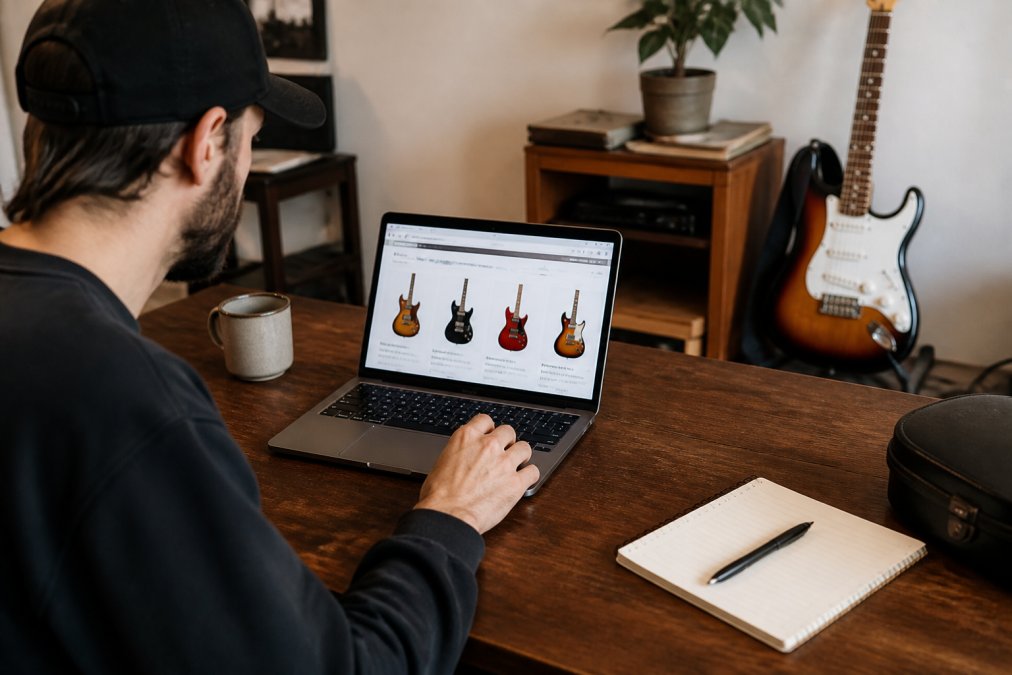
Real-time availability is the single strongest signal that your order will not be cancelled. Most articles tell you to 'check stock before buying' and stop there. The practical techniques below go further, because the stock badge on a product page is often generated from a supplier feed rather than a physical scan.
Try these checks in order:
- Look for a live stock count, not a badge. A page showing '3 in stock' is more credible than one showing a generic 'In Stock' icon, because a live count usually means the retailer is scanning its own shelves. A badge alone can be hard-coded.
- Check whether the retailer lists a physical address and phone number. A bricks-and-mortar address in an Australian suburb is a strong signal of physical stock. A website with only a contact form and no address is more likely to be a drop-shipper.
- Call during business hours and ask them to physically confirm the unit. Ask specifically: 'Can you put your hand on this item right now?' A pause, a transfer, or a 'let me check with our supplier' tells you the stock is not local.
- Ask whether the item ships from their own warehouse or a distributor. This is the single most revealing question. If the answer is 'it ships from our supplier' or 'from our Sydney warehouse' when the store is in Queensland, you are dealing with a drop-shipper or a hybrid with interstate fulfilment.
- Request written confirmation of dispatch timeframes before paying. Ask for a specific date, not a range. 'Ships within 1-2 business days from our Gold Coast warehouse' is a commitment. 'Usually ships within 3-5 days' is a guess.
- Check the returns and warranty page for an Australian address. Under Australian Consumer Law, a retailer must provide a physical address. A store that hides its location is harder to hold accountable if the order fails.
How to Identify a Drop-Shipper Before You Buy
The drop-shipping versus physical warehouse distinction is the primary cause of out-of-stock notices, and most buyers never check it. Here is how to tell them apart before you pay:
- Product range breadth. A store listing thousands of SKUs across every brand, including obscure models, is often a drop-shipper. A physical shop tends to stock a curated range it can actually hold.
- Shipping origin. If the checkout page or shipping confirmation shows a dispatch address that differs from the store's advertised location, the item is not held locally.
- Stock counts across variants. If every colour and size shows the same stock number, the count is likely pulled from a supplier feed, not scanned.
- Delivery estimates. A drop-shipper often quotes longer, vaguer delivery windows because it is waiting on a third party.
- Reviews mentioning delays. Search the store name plus 'out of stock' or 'cancelled order' to see if other buyers have hit the same problem.
How to Contact Music Store Support for Stock Checks
Customer service responsiveness tells you almost everything. A retailer that answers a stock question quickly will usually handle a warranty claim the same way.
Best Practices for Buying Instruments Online in Australia
Buying instruments online in Australia carries specific risks because freight distances are long and many brands ship from a single east-coast warehouse. A few habits reduce the odds of a cancelled order considerably.
- Check the stock status on the product page and confirm it by phone
- Prefer retailers that run a physical store alongside the website
- Read the refund policy and warranty terms before checkout
- Keep your digital receipt and order confirmation
- Pay through a secure payment gateway rather than direct transfer
Australian Consumer Law Online Shopping Rights
Australian consumer law online shopping rights give you firm protections when a retailer cancels an order or delivers something that does not match the listing.
What to Do When Your Order Gets Cancelled
Order cancellation is frustrating, but the response is straightforward. Ask for a full refund first, in writing, and set a clear deadline for it.
Then work through this sequence:
| Situation | Your Action | Expected Outcome |
|---|---|---|
| Order cancelled before dispatch | Request full refund in writing | Refund to original payment method |
| Item never arrives | Contact retailer, then raise a dispute | Refund or replacement |
| Wrong item delivered | Request correct item or refund | Replacement or full refund |
| Faulty on arrival | Request remedy under consumer guarantees | Repair, replacement, or refund |
| Retailer unresponsive | Escalate to your state consumer body | Formal dispute resolution |
Regional Logistics and Delivery to Queensland
Delivery estimates to Queensland stretch longer than most buyers expect, and that gap is where cancelled orders hide. Gear often ships from interstate warehouses, so a Brisbane or Gold Coast address can add several days compared with a Sydney or Melbourne buyer. Understanding why this happens, and how to work around it, is the difference between a smooth order and a cancelled one.
Why Queensland Buyers Wait Longer
Most Australian music retail distribution is concentrated in Sydney and Melbourne. When a retailer does not hold stock locally, the item is dispatched from an interstate warehouse and travels by road freight. For a Gold Coast or Brisbane address, that typically adds two to five business days on top of processing time, depending on the carrier and the route.
The Drop-Shipping Trap for Regional Buyers
This is where the drop-shipping versus physical warehouse distinction really bites. A retailer holding stock locally can dispatch same or next day. A drop-shipper waiting on an interstate distributor adds freight time on top of processing time, and if that distributor is out of stock, your order stalls entirely.
For Queensland buyers, the risk is compounded because:
- Shared stock pools. Several online retailers may sell from the same distributor allocation. When demand spikes, the pool empties and orders are cancelled in the order they were received, often after payment.
- Freight cut-off times. Even if stock exists, a late-afternoon order may miss the interstate carrier's cut-off and sit for another day.
- Regional carrier delays. Outside the Brisbane-Gold Coast corridor, freight to areas like the Sunshine Coast, Toowoomba, or further north can add additional days and increase the chance of a stock discrepancy being discovered too late.
How to Reduce the Risk
If you are on the Gold Coast, buying from a retailer with a local presence removes most of this risk. You can visit in person, confirm the instrument is on the shelf, and skip the freight uncertainty altogether. Musicians searching for a music shop near me in Robina or the wider Gold Coast area get the best of both: hands-on inspection plus Australia-wide shipping if the exact model is not on the floor.
- Ask where the item ships from before you pay. If the answer is interstate, factor in the extra days and confirm the stock is physically held, not just listed.
- Order earlier in the day. Placing an order before the carrier cut-off reduces the chance of it sitting overnight.
- Choose a retailer with a local or Queensland presence where possible. A store that holds stock in the state can dispatch faster and is easier to deal with if something goes wrong.
- Request a dispatch confirmation with a tracking number. This gives you a concrete signal that the item left the warehouse, rather than sitting in a queue.
- Keep your order confirmation and any stock-check emails. If the order is cancelled, these documents support a refund request under Australian Consumer Law.
Frequently Asked Questions
How can I verify if a music store has an item in stock before ordering?
Check the product page for a real-time stock indicator, then call or email the store to confirm. Ask if the item is in their physical warehouse or a distributor's. For online stores, use live chat if available. If the store can't confirm, consider it a risk. Some stores show stock status that updates automatically, but it's always safer to get human confirmation before paying.
What are my consumer rights in Australia if an item is advertised as in stock but isn't?
Under Australian Consumer Law, if a store advertises an item as in stock but cannot supply it, you may be entitled to a remedy. This could include a refund, replacement, or compensation for any loss. The ACCC states that businesses must not accept payment if they don't intend to supply. If you paid and the order is cancelled, you should get a full refund promptly. Contact the store first; if unresolved, you can escalate to your state's consumer affairs body.
Why do Australian online music stores show items as in stock when they are backordered?
Many stores use automated inventory systems that sync with distributor warehouses. If the distributor has stock but the store doesn't, the system may still show the item as available. Drop-shipping arrangements can also cause this: the store lists an item it doesn't physically hold. Delays in updating stock after a sale can also lead to false availability. Always confirm with the store before assuming the item is ready to ship.
What should I do if my order is cancelled due to an out-of-stock notice?
First, request a full refund in writing. Under Australian Consumer Law, you're entitled to a refund if the goods aren't supplied. Ask for an estimated restock date if you still want the item. If the store is unresponsive, lodge a complaint with the ACCC or your state's consumer protection agency. Keep records of all communications. Consider leaving a review to warn others, and check if the store offers a pre-order or out-of-stock notification for when the item returns.