


Studio Headphones Review for Home Producers: 2026 Picks
24th Sep 2026
Table of Contents
- Quick Comparison: Studio Headphones for Home Producers
- How We Evaluated These Studio Headphones
- Open-Back vs Closed-Back Headphones for Mixing
- Headphone Impedance Explained for Producers
- Best Studio Headphones Under $500 AUD
- Premium Studio Headphones: When It's Worth Spending More
- Matching Studio Headphones to Your Audio Interface
- Frequently Asked Questions
Last Updated: September 23, 2026
Quick Comparison: Studio Headphones for Home Producers
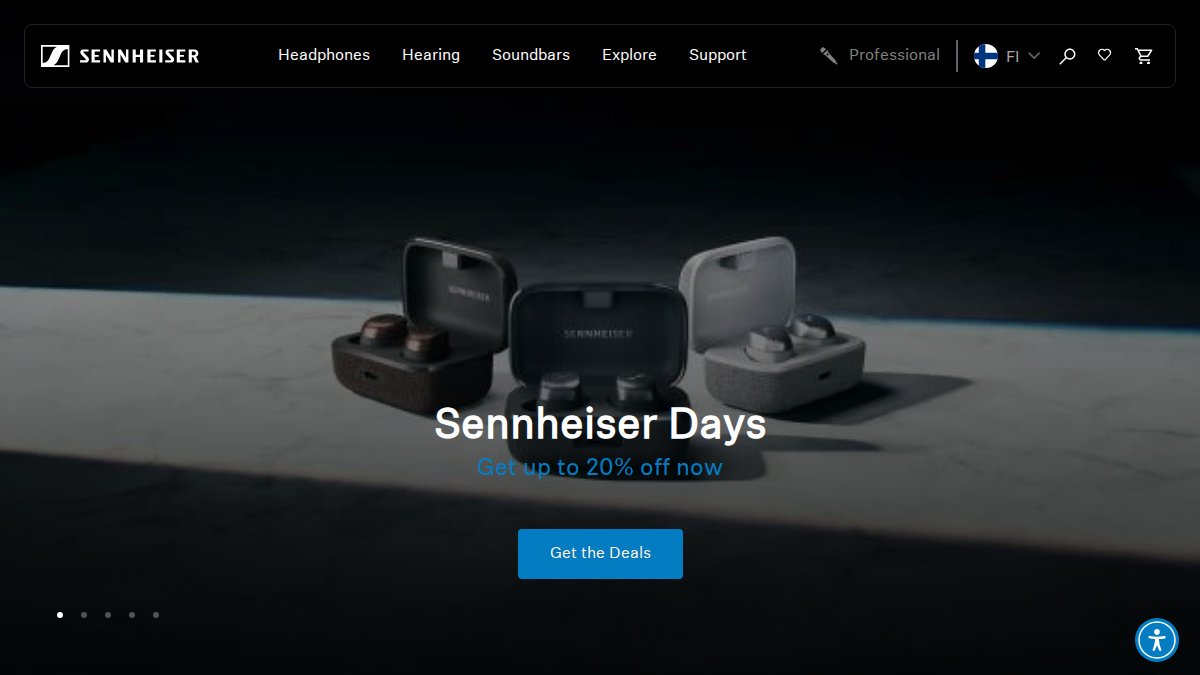
A studio headphones review for home producers comes down to one question: does the headphone tell you the truth about your mix? Producers across Robina and wider Queensland constantly ask this question. The picks below are judged on frequency response accuracy, comfort over long sessions, and how they behave with the interfaces most home studios actually run.
| Model | Design | Impedance | Best For | Approx. Price |
|---|---|---|---|---|
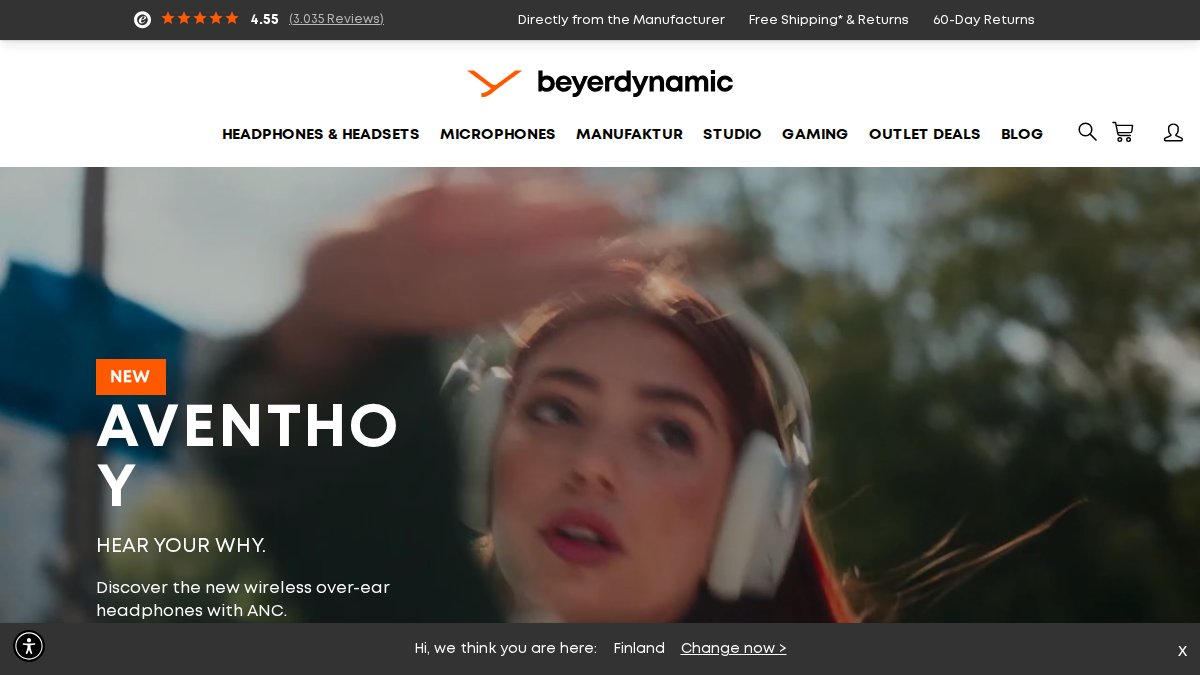
| Sennheiser HD 560S | Open-back | 120Ω | Mixing and analytical listening | $329 AUD |
| Beyerdynamic DT 770 PRO 80Ω | Closed-back | 80Ω | Tracking and recording | $249 AUD |
| AKG K371 | Closed-back | 32Ω | Portable closed-back monitoring | $229 AUD |
| Sony MDR-7506 | Closed-back | 63Ω | Vocal tracking on a budget | $199 AUD |
| Beyerdynamic DT 900 PRO X | Open-back | 48Ω | Detailed mixing and editing | $449 AUD |
How We Evaluated These Studio Headphones
We judged each pair on frequency response accuracy, transient response, and comfort during sessions of two hours or more. Build quality, cable design, and spare-part availability also counted.
Open-Back vs Closed-Back Headphones for Mixing
Open-back headphones let air move freely behind the driver, which widens the soundstage and reduces internal resonance. Closed-back designs seal the ear cup, trading some of that space for sound isolation.
When to Choose Open-Back
Pick open-back for mixing, mastering, and any critical listening where imaging accuracy matters most. The Sennheiser HD 560S and Beyerdynamic DT 900 PRO X both deliver a wide, natural soundstage. The trade-off is leakage: sound escapes, and so does outside noise.
When to Choose Closed-Back
Choose closed-back for tracking, recording vocals, and working near a live microphone. The Beyerdynamic DT 770 PRO 80Ω isolates well and stays comfortable for hours. Its one real drawback is a non-detachable cable, so a damaged lead means a repair rather than a quick swap.
Headphone Impedance Explained for Producers
Impedance is the electrical resistance a headphone presents to your amplifier, measured in ohms. Higher impedance generally needs more voltage to reach a given volume, which is why a 250Ω model can sound thin straight out of a laptop. That much is in every guide. What most guides skip is how impedance interacts with the specific interfaces home producers actually run, and why the number on the box rarely tells the whole story.
The practical impedance bands
For home producers, the useful split looks like this:
- Under 50Ω: runs fine from a phone, laptop, or budget interface. The AKG K371 at 32Ω and the Beyerdynamic DT 900 PRO X at 48Ω sit here.
- 50-120Ω: comfortable on most audio interfaces with little headroom lost. The Sony MDR-7506 (63Ω), DT 770 PRO 80Ω, and Sennheiser HD 560S (120Ω) all live in this band.
- 250Ω and above: benefits noticeably from a dedicated headphone amp. The DT 770 PRO is also sold in a 250Ω version, and the DT 1990 PRO II sits at 250Ω.
Sensitivity matters as much as impedance
Sensitivity (measured in dB SPL per milliwatt, or dB/mW) tells you how loud a headphone gets for a given electrical input. A low-impedance, high-sensitivity pair plays louder from weak sources; a low-impedance, low-sensitivity pair can still sound quiet on a laptop. This is why two 32Ω headphones can behave completely differently on the same interface.
Output impedance: the spec nobody prints on the box
Most home interfaces drive headphones up to roughly 250Ω without trouble, so raw impedance matching is rarely the problem people fear. The real issue is the interface's output impedance. As a rule of thumb, the headphone's impedance should be at least eight times the output impedance of the jack driving it. When that ratio is not met, the frequency response of low-impedance headphones can shift, typically a looser, slightly bloated low end and a less controlled treble.
Matching to common home studio interfaces
A common pattern among beginner setups is a two-channel USB interface with a single headphone out. Most of these drive the 32-120Ω headphones in this guide without strain, but the 250Ω models will feel underpowered. If you are running a 250Ω pair, budget for a dedicated headphone amp rather than blaming the headphones. If you are running a 32Ω pair and the low end sounds loose, the interface output impedance is the more likely culprit than the headphone itself.
Why this matters for the long haul
Impedance and sensitivity also shape how a headphone ages with your setup. A 32Ω pair that sounds fine on a laptop today may become the weak link once you add a proper interface, while a 250Ω pair bought for a future amp will frustrate you in the meantime. Buying for the rig you have now, not the one you plan to build, is the safer call, and it is why producers can plug their own interface into a candidate pair before buying at our Gold Coast shop.
Best Studio Headphones Under $500 AUD
This is the sweet spot for a home studio. Under $500 AUD you can get genuine reference-grade tuning without paying for features you will never use.
Sennheiser HD 560S: Best Open-Back Under $500
The HD 560S is the most neutral open-back you can buy at this price, and it is the pair we recommend first for mixing. Its linear frequency response exposes problems in a mix rather than flattering them, and the lightweight chassis stays comfortable through long sessions.
Beyerdynamic DT 770 PRO 80Ω: Best Closed-Back Under $500
The DT 770 PRO 80Ω has been a studio workhorse for decades, and the 80Ω version is the best match for home interfaces. German-engineered build quality, soft velour pads, and strong isolation make it the pair to reach for when tracking.
Premium Studio Headphones: When It's Worth Spending More
Spending more only makes sense once your monitoring chain and acoustic treatment can keep up. A $899 AUD headphone in an untreated room will reveal problems you cannot fix.
Matching Studio Headphones to Your Audio Interface
Most home interfaces drive headphones up to roughly 250Ω without trouble, so impedance matching is rarely the problem people fear. The real issue is output impedance, which can colour the sound of low-impedance headphones if it runs high. A simple rule: if your headphones sound quiet or thin at normal gain settings, you need more voltage, not more volume. A dedicated headphone amp solves it.
Headphones complement room treatment, they do not replace it
A pair of studio headphones and a treated room do different jobs, and treating one as a substitute for the other is how home producers end up chasing problems they cannot hear.
- Headphones remove the room from the equation entirely. They let you hear the driver and the mix without standing waves, early reflections, or the bass build-up that plagues small untreated rooms. That makes them excellent for checking detail, editing, and working late without disturbing anyone.
- A treated room with monitors tells you how the mix behaves in physical space, how the low end translates, how the stereo image holds up when the listener moves. No headphone can replicate that.
Local availability and support for Australian producers
Global best-of lists rarely account for what it is like to buy, service, and live with a pair of studio headphones. A few practical realities:
- Warranty and service. Sennheiser, Beyerdynamic, and AKG all have Australian distribution and authorised service channels, but turnaround times and whether a repair is handled locally or shipped overseas vary by brand and model. Ask before you buy, especially on premium pairs.
- Regional supply. Producers outside the major capitals often wait longer for stock and pay more for shipping. Buying from a local retailer that holds stock, rather than a marketplace seller shipping from overseas, usually means faster resolution if something goes wrong.
- Voltage and plugs. Headphones themselves are not voltage-sensitive, but any amp or interface you pair them with is. Australian mains is 230V/50Hz, so confirm any imported amp is rated for it or comes with the correct power supply.
Long-term maintenance and the right to repair
A studio headphone is a multi-year investment, and the parts that wear out first are the ones you can usually replace. Before buying, check three things:
- Earpads. Velour and leatherette pads flatten and change the sound over time. Sennheiser, Beyerdynamic, and AKG all sell replacement pads for their studio models, but availability in Australia varies. Pads that are easy to source locally keep a headphone usable for years.
- Cables. Detachable cables are the single biggest repairability win. The AKG K371 and Sennheiser HD 560S use detachable cables; the DT 770 PRO 80Ω does not, so a damaged lead means a repair rather than a quick swap. If you are hard on cables, weight this heavily.
- Headband and padding. Replaceable headband padding extends comfort life, especially on heavier premium models.
Frequently Asked Questions
What is the difference between open-back and closed-back headphones for home production?
Open-back studio headphones have grilles that let air escape, creating a wider soundstage and more natural imaging, which suits mixing and critical listening. Closed-back models seal around your ears, blocking outside noise and preventing sound leakage, making them better for tracking vocals or recording in a shared space. Many home producers keep both: closed-back for recording, open-back for mixing decisions.
Do I need an external headphone amplifier for professional studio headphones?
It depends on impedance and sensitivity. Headphones rated 32-80 ohms, like the Sony MDR-7506 or AKG K371, usually run fine from a laptop or basic audio interface. Models at 250 ohms or higher, such as some Beyerdynamic variants, need a dedicated headphone amp or a interface with a strong output stage to reach proper volume and dynamics. Check your interface's headphone output specs before buying high-impedance models.
Are expensive studio headphones worth the investment for beginners?
Not always. A beginner can learn critical listening on affordable options like the Philips SHP9500 or Sony MDR-7506, both well under $500 AUD. The bigger gains come from acoustic treatment and practice. Once you can reliably hear problems in your mixes, upgrading to reference-grade models like the Sennheiser HD 490 PRO or Beyerdynamic DT 1990 PRO II makes more sense.
How do I ensure my studio headphones provide a flat frequency response?
No headphone is perfectly flat, but you can get close. Look for models marketed as neutral or reference, such as the Sennheiser HD 560S or AKG K371. Compare your mixes on studio monitors and multiple headphone pairs. Some producers use calibration software or correction profiles to flatten their specific model's response curve, which helps translate mixes more accurately across playback systems.
What should home producers look for in terms of comfort for long sessions?
Prioritise low clamping force, breathable earpads, and lightweight construction. Velour pads, found on Beyerdynamic models, breathe better than pleather during long mixing sessions. The Sennheiser HD 560S and HD 490 PRO are known for staying comfortable over hours. If you wear glasses, softer pads and lower clamping force matter even more, as pressure points build up faster.
Choosing the right pair is the difference between a mix that translates and one that falls apart on other systems. Muzic Man carries a wide range of branded studio headphones and interfaces, backed by Australia-wide shipping and a physical Gold Coast shop for hands-on advice. Get started with Muzic Man and build a monitoring setup that tells you the truth.