


Why Pay More for Local Music: The Real Value
5th Sep 2026
Table of Contents
- The Economic Multiplier Effect of Local Music Spending
- Live Music vs. Recorded: Understanding the Value Difference
- How Local Music Sustains Your Community
- Supporting Local Artists and Talent Development
- Buying Musical Instruments Locally vs Online
- Benefits of Supporting Local Music Stores Australia
- Finding a Musicfactorydirect Alternative for Musicians
- Conclusion: The True Cost of Local Music
- Frequently Asked Questions
Last Updated: September 4, 2026
Every dollar you spend on a ticket to a local gig, a guitar from a nearby shop, or a lesson from a Robina-based teacher does more than fund a single transaction. It circulates through the Gold Coast economy, paying for venue staff, sound engineers, and the next round of drinks at the bar. This guide from Muzic Man explores why paying more for local music is not just a charitable gesture, but a direct investment in the cultural and economic health of your community.
The Economic Multiplier Effect of Local Music Spending
The core argument for paying a premium for local music is the economic multiplier effect, the measurable chain reaction that occurs when money stays within a local economy. When you buy a ticket to a live show at a Robina venue, that money does not simply vanish into a corporate head office overseas. Instead, it circulates through interconnected local businesses, creating jobs and supporting livelihoods across the Gold Coast.
Here is how the multiplier works in practice. A typical $50 ticket to a local gig breaks down roughly as follows: the venue operator retains approximately 40-50% after paying the artist and venue costs; the remaining portion goes directly to the performer, sound engineer, lighting technician, and other crew. The venue then uses its revenue to pay staff wages, purchase stock from local suppliers (beverages, food, equipment maintenance), and cover rent or mortgage payments to local property owners. Each of these recipients, the bartender earning $25 per hour, the sound engineer booking studio time, the venue owner paying rates to the local council, then spends that money locally, creating a second and third wave of economic activity.
Research from organisations like the Australian Music Centre and local Gold Coast business councils has shown that for every dollar spent on a live music ticket in a regional venue, approximately $1.50-$2.00 circulates through the local economy within six months (australianmusiccentre.com.au). This is because live music venues are labour-intensive and locally embedded; they cannot outsource their operations to another country. By contrast, a $15 monthly streaming subscription to an international platform generates almost no local economic benefit, the money flows directly to a foreign corporation, and none of it supports your neighbours.
This effect is particularly critical for grassroots venues operating on thin margins. A mid-sized Robina or Surfers Paradise venue might host 40-50 shows per year, with an average attendance of 80-150 people. A sold-out show can generate $3,000-$5,000 in revenue, which directly determines whether the venue survives the quiet mid-week nights and can afford to book emerging artists who draw smaller crowds. Without consistent ticket sales, these venues close, and the cultural infrastructure of the region collapses. A thriving local scene is built on this continuous circulation of discretionary spending, not on occasional large injections of cash from touring acts or outside investors.
When you choose to pay for a local ticket instead of streaming a recording, you are not simply buying entertainment, you are making a direct economic choice that keeps money circulating in your community, sustains jobs, and ensures that the next generation of venues and artists has a viable ecosystem to grow within.
Live Music vs. Recorded: Understanding the Value Difference
Why pay more for live music when a streaming subscription costs a fraction of a single ticket? The answer lies in understanding what you are actually purchasing and the true lifetime cost of each option.
The Cost Comparison
On the surface, the maths seem straightforward. A monthly streaming subscription (Spotify, Apple Music, YouTube Music) costs $11-$15 per month in Australia, or roughly $132-$180 per year. A single live music ticket ranges from $25-$80 depending on the venue and artist. One ticket costs as much as one to two months of unlimited streaming access. However, this comparison ignores the fundamental difference between the products and their actual value proposition.
A streaming subscription gives you access to millions of songs, but it is a passive, reproducible experience. You listen to the same recording in the same way every time, the same mix, the same performance, the same audio quality. The artist receives a fraction of a cent per stream; a song needs to be streamed 3,000-5,000 times to generate $1 in artist revenue (peer-reviewed research). For independent musicians on the Gold Coast, this model is economically unsustainable. A local artist who releases an album and receives 50,000 streams across all platforms might earn $15-$25 total, less than the cost of a single live show ticket.
A live music ticket, by contrast, is a unique, unrepeatable experience. You are paying for the artist's live skill and interpretation, the venue's acoustics and atmosphere, the sound engineer's real-time mixing, the lighting design, and the collective energy of a live audience. No two performances are identical; the artist may improvise, respond to the crowd, or deliver a setlist variation. This is a fundamentally different product from a recording.
The Experience Premium and Long-Term Value
The 'experience cost' of a live show is higher upfront, but the value retention is significantly better. A $50 ticket to a local gig creates a memory and a social connection that lasts months or years. You attend with friends, you discuss the performance afterwards, you follow the artist's career, and you return to the venue for future shows. This is not a one-time transaction; it is the beginning of an ongoing relationship with a venue, an artist, and a community.
Streaming, by contrast, is a convenience cost that you pay monthly regardless of whether you actively listen. Many subscribers pay for access they do not fully use. The average Australian streaming subscriber listens to only 15-20 hours per month, meaning they are paying $0.60-$1.20 per hour of actual listening (asx.com.au). A live show, even at $50 for a two-hour performance, costs $25 per hour, but the engagement level, emotional intensity, and memory formation are orders of magnitude higher.
Why Artists Depend on Live Revenue
Streaming platforms were designed to benefit large, established artists with existing fanbases. For emerging musicians, the artists you encounter at local Robina venues, ticket sales and merchandise are the primary income sources. A local artist might earn $200-$500 per show after splitting revenue with the venue, plus another $50-$150 from merchandise sales. Over a year of regular gigging (one show per week), this generates $13,000-$33,500 in income, which is barely sustainable but possible. Remove live music from the equation, and most independent artists cannot afford to pursue music as a career.
When you buy a ticket to a local show, you are directly funding artist development. You are enabling the next generation of touring acts to exist. When you stream a recording, you are supporting a platform's algorithm and a corporation's profit margin, not the artist who created the work.
The Community and Social Value
Beyond economics, live music delivers social and emotional value that recorded audio cannot replicate. The sense of shared experience, standing in a room with strangers who become temporary friends, united by the performance, creates a sense of belonging and community identity. This is particularly important in regional areas like the Gold Coast, where cultural events are often spaced further apart than in major cities. A live music venue becomes a gathering place where neighbours meet, ideas are exchanged, and a shared identity is forged.
Streaming is a solitary experience. You listen alone, in your home, with no connection to others or to the artist. The emotional payoff is lower, and the community benefit is zero.
In summary, paying more for live music is not a charitable gesture or an irrational choice. It is a direct investment in a superior product (a unique, unrepeatable experience), a sustainable income model for artists, and a cultural infrastructure that strengthens your community. The premium you pay is justified by the value you receive and the economic impact of your choice.
How Local Music Sustains Your Community
A local music scene is a pillar of community engagement and social cohesion. Venues act as gathering spaces where neighbours meet, ideas are exchanged, and a shared community identity is forged. Without this cultural infrastructure, a suburb becomes a collection of houses rather than a connected community. The presence of live music contributes to the character of a place, making it more attractive for residents, visitors, and even urban development.
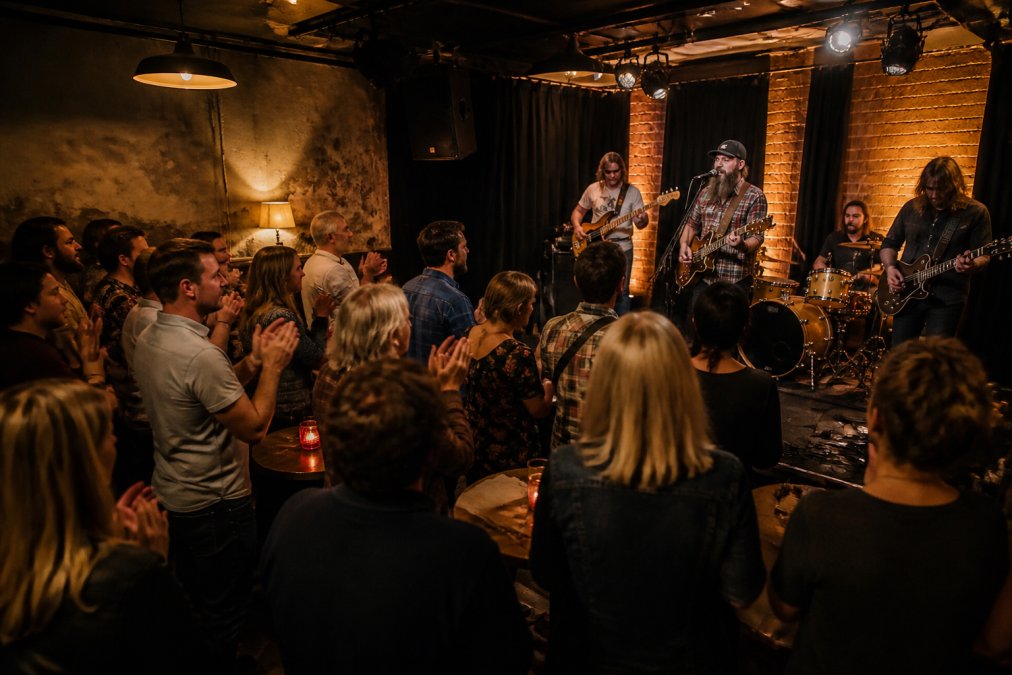
Beyond the social value, there is a tangible economic benefit for the hospitality sector. A strong music lineup draws customers to nearby restaurants and bars, extending the evening and increasing local business growth. This relationship between music venues and the surrounding hospitality sector is a key driver of local patronage, transforming a simple night out into a broader economic event that supports multiple businesses in the Robina area and across Queensland.
Supporting Local Artists and Talent Development
When you pay for local music, you are not just buying entertainment; you are funding the next stage of an artist's career. The path from bedroom producer to professional musician is paved with costs: instrument repairs, studio time, transport, and promotional materials. Your ticket price and your purchase of merchandise provide the financial stability artists need to focus on their craft rather than on a second job.
This support is the lifeblood of talent development. Every major touring act started as a local act playing to small crowds. By investing in grassroots music, you are helping to build a pipeline of talent that enriches the cultural landscape for everyone. It is a direct contribution to the gig economy of musicians, sound techs, and promoters who choose to build their professional lives around the industry.
Buying Musical Instruments Locally vs Online
The debate between buying musical instruments locally vs online is often framed purely around price. However, the true cost of an instrument includes factors beyond the sticker price. When you buy locally, you gain access to expert advice and the ability to handle the instrument before you commit, ensuring it feels right in your hands. This is crucial for beginners, particularly children, who may be discouraged by an instrument that is difficult to play.
Buying locally also sidesteps the logistical risks of online purchases, such as shipping delays or transit damage. A local purchase establishes a relationship, meaning you have a physical place to return to for setup, maintenance, or advice as your skills progress. While an online retailer might offer a lower upfront price, the long-term value of local support, immediate availability, and after-sales service often makes it the more financially sound decision.
Benefits of Supporting Local Music Stores Australia
The benefits of supporting local music stores Australia-wide extend into the heart of the community. These stores are more than just retail outlets; they are hubs for musicians to connect, share information, and discover new gear. They often employ staff who are working musicians themselves, offering practical advice that a faceless online catalogue cannot match.
Local stores also contribute to the local economy by creating jobs and paying taxes that fund community services. They are committed to the local music ecosystem, often sponsoring events, hosting workshops, and supporting school music programs. This commitment helps build a sustainable environment for music education and performance, ensuring that the next generation of players has the resources and encouragement they need to get started. This is why paying a little more at a local shop is an investment in the region's musical future.
Finding a Musicfactorydirect Alternative for Musicians
For many musicians in Robina, the search for a musicfactorydirect alternative for musicians is driven by the desire for reliability and service. While online-only importers may offer lower prices, they often fall short on customer support, stock accuracy, and delivery times. A hybrid model, which combines the convenience of online browsing with the security of a physical location, offers the best of both worlds.
This is where a business like Muzic Man steps in. We offer a wide range of high-quality branded musical instruments and supplies through a convenient online shopping experience, backed by the reassurance of our physical music shop location in Robina. This means you can research from home and, if needed, visit us in person for hands-on selection and expert advice. With Australia-wide shipping, we combine the accessibility of an online retailer with the trusted service and accountability of a local business, ensuring you get reliable gear without the wait or the worry.
Conclusion: The True Cost of Local Music
Ultimately, the question of why pay more for local music comes down to what you value. Choosing the cheapest option often means accepting hidden costs: a weaker local economy, fewer opportunities for emerging artists, and a less vibrant community. Paying a fair price for local music is a conscious choice to support the cultural infrastructure that makes the Gold Coast a great place to live.
At Muzic Man, we believe in this principle. We are committed to providing access to the best musical supplies at competitive prices while supporting the local musicians and educators who keep our scene alive. Whether you shop with us online or visit our Robina store, you are choosing service, reliability, and a direct investment in your community. Get started with Muzic Man and support the future of local music.
Frequently Asked Questions
How does buying from local music stores support the Australian economy?
Local music retail spending circulates within your community. When you purchase instruments or tickets locally, money goes directly to venue staff, independent artists, and store owners who spend it at neighbouring businesses. This creates a multiplier effect, each dollar spent generates additional economic activity. Local retailers also employ community members, pay local taxes, and reinvest profits into their neighbourhoods, strengthening cultural infrastructure and venue sustainability.
Why is live local music worth more than streaming services?
Live music offers irreplaceable social value and emotional connection that recorded music cannot match. You experience real-time performance, direct artist engagement, and shared community identity with other attendees. Venues provide cultural infrastructure that streaming platforms do not. Supporting ticket sales ensures venues remain financially viable, artists develop their craft, and your local music scene continues. The cost reflects the complexity of producing live events and compensating performers fairly.
What are the benefits of shopping at a physical music store instead of ordering online?
Physical stores offer hands-on instrument selection, allowing you to test sound quality, playability, and fit before purchasing. Expert staff provide personalised advice tailored to your skill level and goals. You avoid shipping delays and return complications. Local retailers often stock the same quality branded gear as major online competitors but with faster service and direct support if issues arise. For beginners uncertain about commitment, in-store guidance reduces the risk of purchasing unsuitable equipment.
How do local music venues contribute to community engagement and social cohesion?
Live music venues serve as gathering spaces where diverse community members connect through shared cultural experience. Regular performances build social bonds, create local identity, and provide affordable entertainment alternatives to commercial chains. Venues often host emerging talent, fostering artist development and grassroots music scenes. This social cohesion strengthens neighbourhood resilience and provides emotional benefits that discretionary spending on live entertainment directly supports.
This article was written using GrandRanker