




How to Master the Return Policy for Online Musical Instruments
Posted by Editorial Team on 29th Oct 2026
Last Updated: October 28, 2026
Quick Summary
The return policy for online musical instruments is the seller's stated terms layered on top of your automatic rights under Australian Consumer Law. Retailers are not legally required to offer change-of-mind returns, so confirm the window, conditions and who pays return shipping before you pay.
- Consumer guarantees apply automatically and no returns policy can override them.
- Change-of-mind returns are not legally required, so read the terms closely.
- Contact the seller in writing and get a return authorisation before shipping anything back.
- Film a continuous unboxing video from sealed box to instrument as damage evidence.
- Screenshot the returns policy with the date visible before checkout.
Table of Contents
- Why the Return Policy for Online Musical Instruments Matters
- Australian Consumer Law Online Returns: Your Rights Explained
- Online Purchase Change of Mind Australia: What Retailers Must Offer
- How to Return a Musical Instrument Bought Online
- Faulty Musical Instrument Refund or Replacement: Step by Step
- Checking Seller Reviews, Reputation, and Return Policies Before You Buy
- Shipping, Packaging, and Inspecting Your Instrument for Returns
- Your Next Step: Confirming the Return Policy Before Checkout
- Frequently Asked Questions
Why the Return Policy for Online Musical Instruments Matters
Buying an instrument online means you can't feel the neck, hear the pickups, or test the keys. That's why the return policy for online musical instruments deserves ten minutes of your attention before you pay.
At Muzic Man, we ship instruments Australia-wide and run a physical shop in Robina, Queensland.
Most guides treat returns as fine print. They're not, the return terms are part of the product.
Three things decide whether you're protected:
- The seller's stated returns window
- Your rights under Australian Consumer Law
- How carefully you inspect and document the instrument on arrival
Below, each one is explained.
Australian Consumer Law Online Returns: Your Rights Explained
Australian Consumer Law online returns are governed by the same consumer guarantees that cover any purchase in Australia. The ACCC guide to consumer guarantees sets out what you're entitled to.
Those guarantees apply automatically, no retailer can opt out, and no returns policy can override them.
Your core rights:
- Goods must be of acceptable quality. They should do what a reasonable person expects.
- Goods must match the description. A "solid spruce top" guitar must actually have one.
- Goods must be fit for purpose. If you told the seller it was for a beginner and it's unplayable, that matters.
If an instrument fails these guarantees, you're entitled to a remedy regardless of the seller's stated window. The policy is a bonus layer, not the floor.
Online Purchase Change of Mind Australia: What Retailers Must Offer
Online purchase change of mind Australia rules are simpler than most buyers expect. Retailers are not legally required to offer change-of-mind returns.
So when a seller does offer change-of-mind returns, read the terms closely. Common conditions include:
- A set window, often counted from delivery, not order date
- The instrument in original packaging with all accessories
- No signs of use, wear, or modification
How to Return a Musical Instrument Bought Online
Returning an instrument follows a predictable path.
- Check the returns window first. Confirm the deadline and whether it runs from order or delivery date.
- Contact the seller in writing. Email creates a record. State your order number and the reason.
- Get a return authorisation. Many sellers require one before you ship anything back.
- Repack it properly. Use the original box and padding. A guitar in a soft case alone will not survive courier handling.
- Photograph everything. The packed box, the label, and the instrument's condition before sealing.
- Use a tracked service. Keep the tracking number and receipt.
- Follow up. Confirm the seller received it and ask for a timeline on the refund.
Keep every message. If a dispute arises, your paper trail is the difference between a smooth refund and weeks of chasing.
Returning an instrument follows a predictable path, so work through these steps in order.
| Step | What to do | Time or frequency |
|---|---|---|
| 1 | Check the returns window and whether it runs from order or delivery | First |
| 2 | Contact the seller in writing with order number and reason | Before shipping |
| 3 | Get a return authorisation | Before shipping |
| 4 | Repack properly using the original box and padding | Before shipping |
| 5 | Photograph the packed box, label and instrument condition | Before sealing |
| 6 | Use a tracked service and keep tracking number and receipt | On dispatch |
| 7 | Follow up to confirm receipt and ask for a refund timeline | After delivery |
Faulty Musical Instrument Refund or Replacement: Step by Step
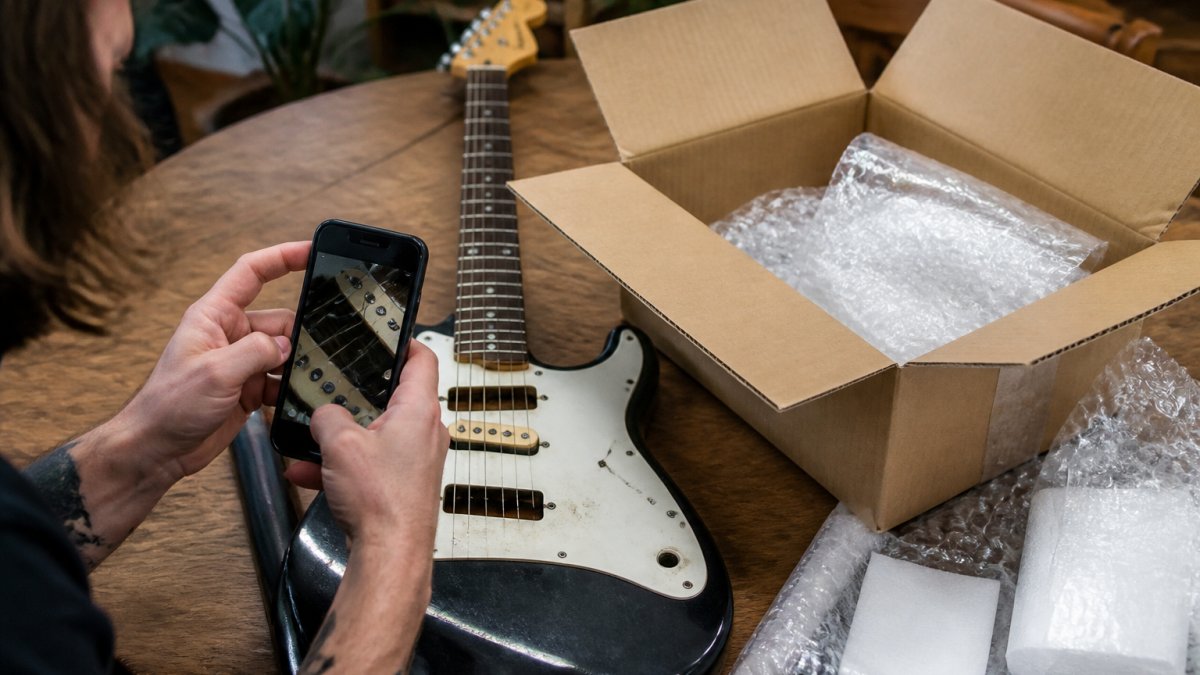
A faulty musical instrument refund or replacement falls under the consumer guarantees, not the seller's goodwill, stronger rights than a change-of-mind return.
Here's how to handle it:
- Stop using it. Further damage can muddy the picture.
- Document the fault immediately. Photos and a short video showing the problem are gold.
- Contact the seller promptly. Describe the fault clearly and state what remedy you want.
- Return it as directed. The seller should cover reasonable return costs for a faulty item.
- Choose your remedy. For a major failure, you choose between a refund and a replacement. For a minor fault, the seller may repair first.
What counts as a major failure? The instrument is unsafe, substantially unfit for purpose, or wouldn't have been bought by a reasonable person if they'd known about the fault.
Checking Seller Reviews, Reputation, and Return Policies Before You Buy
Reputable sellers make their return terms easy to find. That's your first test, and the one most buyers skip.
Run this check before any online purchase:
- Is the returns policy linked from the product page, not buried in the footer?
- Does it state the window, the conditions, and who pays return shipping?
- Do customer reviews mention returns and after-sales service, not just delivery speed?
A seller with a clear policy and responsive service is worth more than a slightly cheaper listing with vague terms. We'd rather you check our Australian Business Register listing than take our word for it.
Verify the seller is a real Australian business
An ABN is not proof of quality, but its absence is a red flag. Search the ABN on the Australian Business Register and check the entity name matches the trading name. If the seller trades under a different name, ask why in writing, a legitimate retailer answers plainly; a scam listing goes quiet.
Also check:
- A physical address in Australia. A PO box alone is weaker than a street address you can look up.
- A phone number that answers. Call it before you buy a high-value instrument.
- Consistent branding. The logo, tone, and contact details on the product page should match the seller's About page and social profiles.
Read reviews for returns signals, not star ratings
A five-star average tells you little. Read the two- and three-star reviews and search for "return", "refund", "warranty", and "damaged". Look for:
- How the seller responded when something went wrong.
- Whether the buyer got a refund or a replacement without a fight.
- Whether return shipping was covered when the item was faulty.
A seller who replies publicly and resolves issues is a better bet than one with a perfect score and no returns history.
Spot the scam listing before you pay
Online instrument scams follow predictable patterns. Watch for:
- Prices far below market. A used guitar listed well under the going rate for that model is usually bait.
- Off-platform payment requests. Bank transfer, cryptocurrency, or gift cards to a "private" account remove your chargeback protection. Pay by card or through a platform with buyer protection.
- Pressure to move fast. "Another buyer is interested" is a tactic to stop you checking the policy.
Check the return policy against the delivery estimate
Before you buy, compare the delivery estimate with the returns deadline. If the window runs from the order date and delivery is slow, you may have only days to inspect and decide. Ask in writing whether the window runs from dispatch, delivery, or order date, and keep the reply.
Match the checks to the instrument category
Different instruments carry different return risks, so weight your checks accordingly:
- Electric guitars and basses: Ask for photos of the electronics cavity, the jack, and the pickup wiring. A dead pickup or noisy pot is a common arrival fault.
- Acoustic guitars: Ask about humidity history and whether the action has been adjusted. A dried-out or over-humidified acoustic can arrive with a shifted bridge or a top crack.
- Keyboards and digital pianos: Confirm the power supply is Australian-compatible (240V) and ask for a video of every key and the sustain pedal working.
A seller who answers these questions promptly is demonstrating the responsiveness you'll need if you have to return the instrument.
Shipping, Packaging, and Inspecting Your Instrument for Returns
Delivery condition decides most return outcomes. Inspect before you discard packaging.
What good packaging looks like
A properly packed instrument should survive normal courier handling. Look for:
- A rigid outer box with no crushed corners or punctures.
- Internal padding that stops the instrument moving, bubble wrap, foam, or crumpled paper packed tight.
- The instrument in a case or gig bag inside the box, not loose.
If the box arrives crushed, punctured, or wet, photograph it before opening and note the damage with the courier if you are present at delivery.
Film the unboxing
A continuous video from sealed box to instrument in hand is your strongest evidence if damage is disputed. Start filming before you cut the tape and show:
- The intact outer box and label.
- The packing materials as you remove them.
- The instrument from every angle, including the serial number.
Keep the video file and the original packaging until you are certain you are keeping the instrument.
Inspect the instrument fully
Work through the instrument systematically:
- Body and finish: Look for cracks, dents, and lifting finish, especially around joints and the neck pocket.
- Neck and frets: Check for twists, fret sprout, and wear. Play every fret on every string.
- Hardware: Tuners, bridge, tailpiece, strap buttons, and jack plate.
Test functionality the same day
Plug in, play every string, check every key or pad, and run through the instrument's full range. A fault that appears on day one is much easier to attribute to transit or the seller than one that appears in week three.
Let it settle before judging setup
Queensland heat and humidity can affect instruments in transit, especially acoustics. Give a new arrival a day to settle before judging setup. A guitar slightly out of tune or with high action may just need a truss rod adjustment after acclimatising, but a cracked top or lifted bridge is a fault.
If it arrives damaged
A damaged-on-arrival instrument is a consumer guarantee issue, not a change-of-mind return. Goods must be of acceptable quality and match the description, if they don't, you're entitled to a remedy.
- Stop and document. Photograph and film the damage before moving the instrument.
- Keep all packaging. The box and padding are evidence of how it was shipped.
- Contact the seller in writing the same day. State the order number, describe the damage, and attach your photos and video.
- State the remedy you want. For a major failure, you can choose a refund or replacement. For a minor fault, the seller may repair first.
- Ask who covers return freight. For a faulty or damaged item, the seller should cover reasonable return costs. Get this confirmed in writing before you ship.
- Use a tracked service and keep the receipt.
Keep the paper trail
Save every message, photo, video, tracking number, and receipt in one folder. A clear record makes it easier for the seller to resolve the issue quickly.
Your Next Step: Confirming the Return Policy Before Checkout
One habit separates confident buyers from regretful ones: confirm the return terms before you pay.
Do this every time:
- Screenshot the returns policy page with the date visible.
- Note the window and whether it runs from order or delivery.
- Save the seller's contact details.
- Check the item is in stock and confirm dispatch timing in writing.
If anything is unclear, ask before buying.
Frequently Asked Questions
Can I return a musical instrument bought online in Australia?
Yes, if it is faulty, not as described, or not fit for purpose. Under Australian Consumer Law, you have the right to a remedy from the retailer, not the manufacturer. For change-of-mind returns, it depends on the store's return policy, so check before buying. Keep your receipt and original packaging to make the process smoother.
What are my rights if an instrument bought online is faulty?
Australian Consumer Law provides consumer guarantees for goods. Contact the seller promptly and keep records of all communication.
How long do I have to return an online purchase in Australia?
Always confirm the return period before checkout, especially for instruments where feel and sound matter.
Who pays return postage for a faulty musical instrument?
Ask the seller to confirm in writing before sending anything back.
Buying an instrument online shouldn't feel like a gamble. At Muzic Man, we stock quality branded gear and back it with clear terms, Australia-wide shipping, and a Robina shop where you can try before you buy. Browse our range online or visit us on the Gold Coast to find the right instrument with confidence. Get started with Muzic Man and play something you'll keep.